At certain periods of our lives, we experience discomfort in our bodies. We consult doctors to learn the cause of these discomforts and receive treatment. Today, every condition has a different specialist. So how should a patient decide which doctor to see? Under normal circumstances, what should happen is that the person first consults their family physician, who arranges treatment for conditions they can treat. If the patient needs to be seen by a specialist doctor, the family physician refers the patient to the appropriate department. However, due to patients’ right to choose their doctor and their right to apply to the hospital of their choice, many patients decide for themselves which department to visit. In this article, we will discuss the Department of Orthopedics and Traumatology to inform our readers.
The term orthopedics was first used by Nicolas Andry (1658-1742), one of the professors at the Paris Faculty of Medicine, as the title of his book about childhood deformities. It is formed by combining the words ortho and pedi. The word ortho means “straight,” and pedi means “child.” When we translate orthopedics literally into English, it means “straight child.”
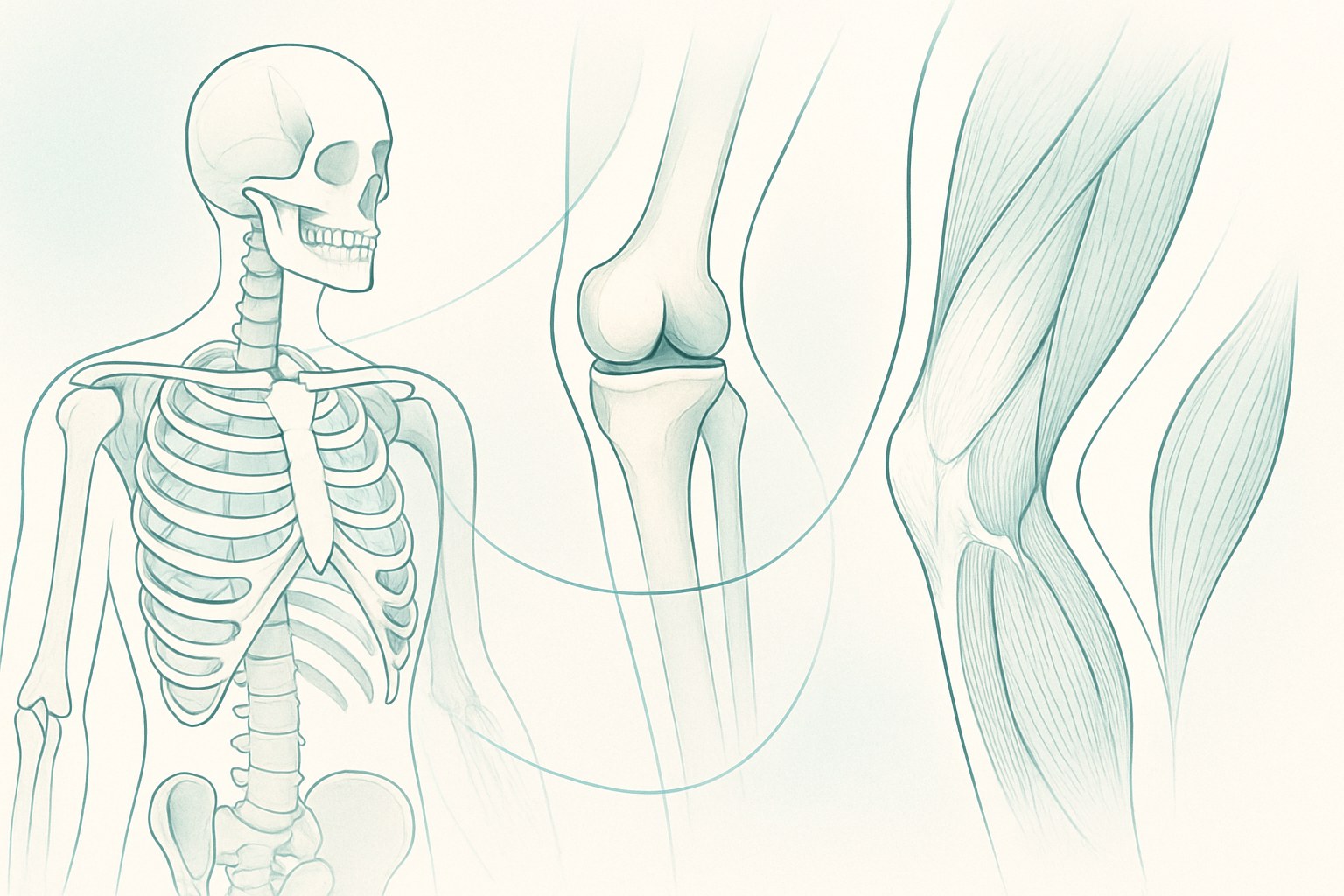
Orthopedics and traumatology is the medical specialty that deals with injuries and diseases of our body’s musculoskeletal system. This complex system, which includes our bones, joints, ligaments, tendons, muscles, and nerves, enables us to move, work, and be active.
In early times, orthopedists dealt with children with spine and limb deformities; nowadays, they treat patient groups of all ages, from newborns born with skeletal problems to young athletes requiring arthroscopic surgery and elderly patients with arthritis. Let us remember that anyone can break a bone.
Orthopedic surgeons treat musculoskeletal system problems. Before treatment, they diagnose injuries or conditions. They treat the diagnosed condition with medication, exercise, casting, or surgical methods. They provide rehabilitation for the patient by recommending exercises or physical therapy to help the patient regain movement, strength, and function. In addition to these, they offer the patient necessary preventive measures and treatment planning to prevent injury or slow disease progression.
While orthopedic surgeons are familiar with all aspects of the musculoskeletal system, many orthopedists specialize in specific areas such as foot and ankle, spine, shoulder, hand, hip, or knee. They may also choose to focus on specific fields such as pediatrics, trauma, or sports medicine. Some orthopedic surgeons may specialize in multiple areas.
Medical Disclaimer: This content is for informational and educational purposes only and does not constitute medical advice. Please consult a qualified healthcare professional for diagnosis and treatment of any medical condition.