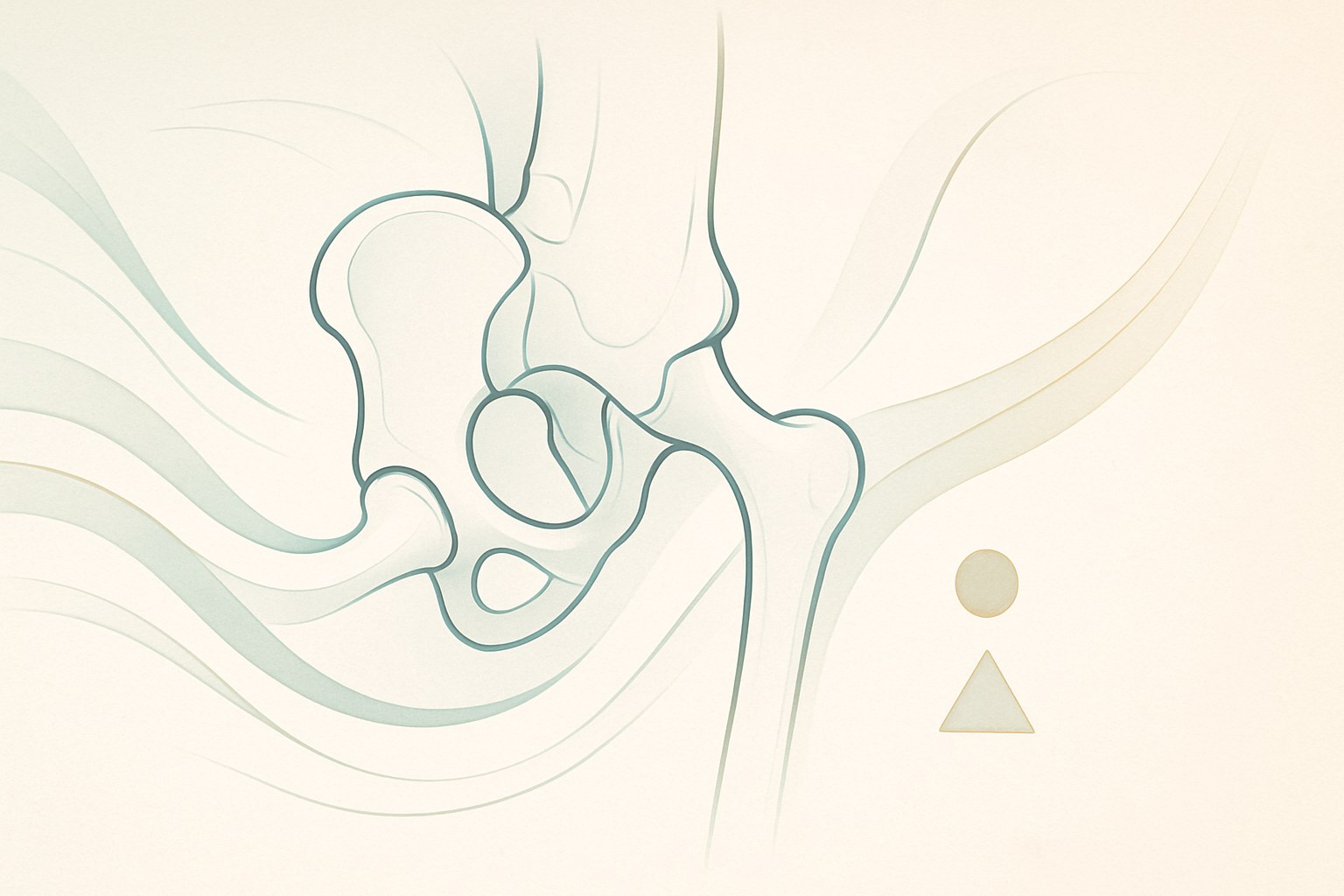
When arthrosis (osteoarthritis/calcification) develops in the hip joint, pain occurs in the hip joint, especially during walking. This pain is generally felt in the groin area. As the osteoarthritis progresses, the patient begins to limp while walking and the severity of the pain gradually increases. Hip movements decrease, and difficulties in squatting to the ground and struggling to put on socks and shoes begin. Hip replacement (total hip arthroplasty) is necessary for the treatment of patients with such complaints. There are things that patients who have undergone hip replacement surgery should pay attention to after the operation.
After hip replacement surgery, the patient is taken to their room. In the early period of the operation, when the patient is not fully conscious due to the effect of anesthesia, the hip joint may dislocate with an incorrect movement. For this reason, the patient should be carefully placed in bed, and the patient lies on their back with a pillow placed between the legs. If a drain (a system inserted to drain blood from the wound area) has been placed after the surgery, it is monitored by the nurse at regular intervals and emptied if the reservoir is full. Some specialists may not use drains in these operations.
One day after surgery, the patient is taught how to sit in bed and how to get up and walk in bed. To prevent hip dislocation, the patient’s leg should not rotate excessively inward or outward, and the legs should be kept apart. During sitting, the hip should not be flexed more than 90 degrees. For this reason, the patient should not sit on low places such as recliners and stools. If the toilet at home is low, a toilet riser should be used. During this period, the patient walks with the help of a walker. They can bear weight on their leg as much as the pain in their hip allows. During the morning rounds, the doctor teaches the patient the exercises that need to be done to strengthen the muscles around the hip.
On the first day, the patients’ pain will be considerably reduced. The patient’s dressing is changed and depending on the pain status, they can be discharged home one day after surgery. The patient who goes home should continuously perform the exercises given to them. When in pain, they should use the painkillers prescribed by their doctor. The patient can meet their own needs at home. They can use a walker or a cane as an assistive device for walking. They should continue to use a walker or cane for the duration recommended by their doctors.
The patient has their dressing changed every other day and comes for a check-up to have their stitches removed after 10 days. The patient can take a bath 1 day after the stitches are removed. After this stage, the patient can walk using a single cane according to their doctor’s advice. In the early period of the surgery, the patient cannot squat to the ground and cannot put on their socks themselves. Generally, the patient becomes able to put on their socks themselves by the 4th month.
Although there is a low probability, the hip prosthesis may dislocate with an incorrect movement in the early period. In such a case, the patient needs to contact their doctor. Usually, the patient’s hip is repositioned under anesthesia. If the hip prosthesis keeps dislocating repeatedly, the prosthesis may need to be replaced.
Another important issue is the possibility of blood clots forming in the leg veins of patients who have undergone hip replacement. Although this event is rare, precautions need to be taken in every patient. Patients are advised to wear compression anti-embolic (anti-clotting) stockings (varicose vein stockings) up to the thigh. To prevent clots, injection-type medications or pills recommended by the doctor need to be taken every day for 35 days. Any swelling or redness that occurs in the calf area must be reported to the doctor. Patients who have undergone prosthesis surgery should inform their dentist that they have a prosthesis in their hip and take antibiotics before any procedure.
Medical Disclaimer: This information is for educational purposes only and does not constitute medical advice. Always consult with a qualified healthcare provider for diagnosis and treatment recommendations specific to your individual condition.