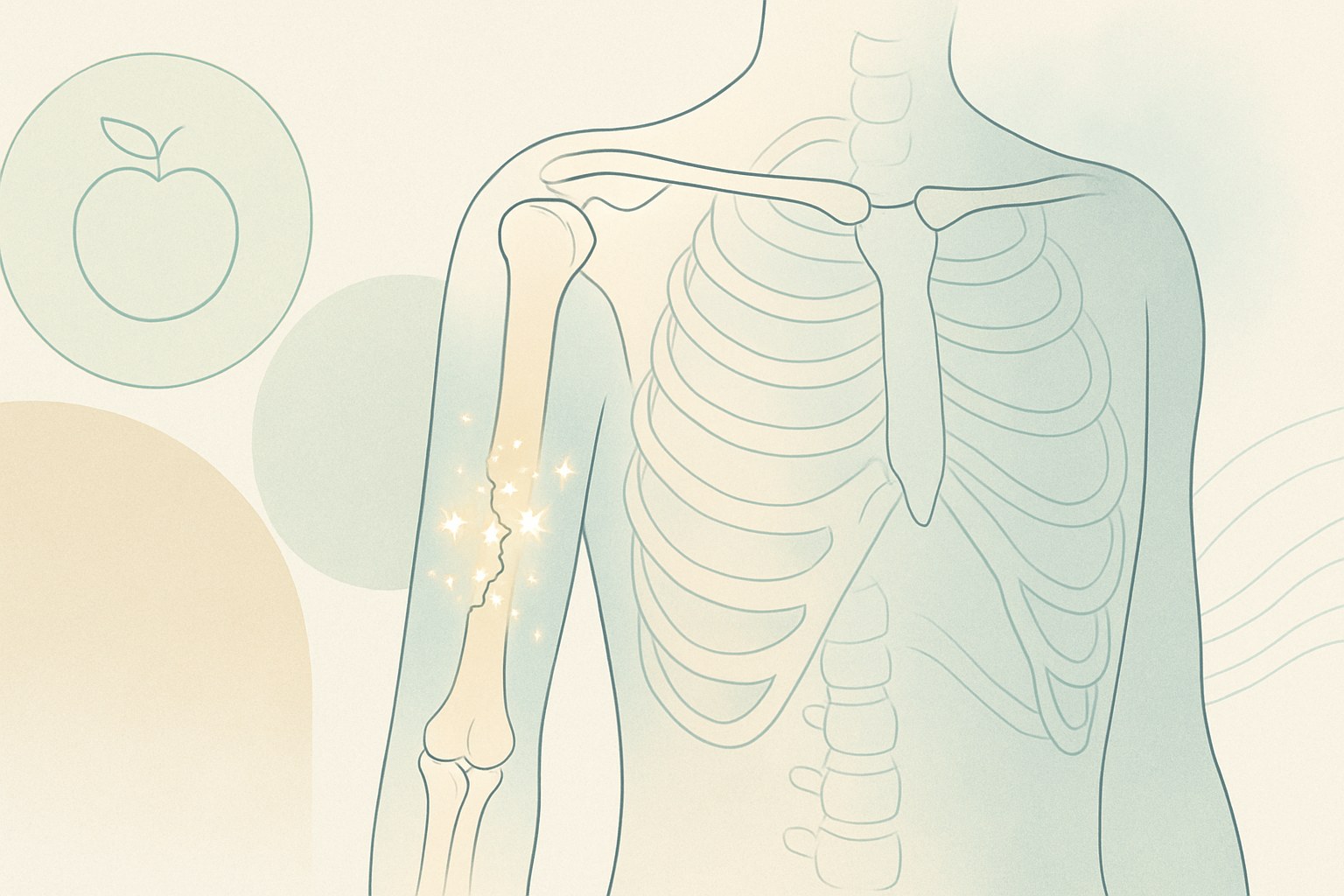
Fracture Healing: Essential Steps for a Healthy Recovery Process

A fracture can be a challenging experience both physically and emotionally. However, with proper care and current treatment approaches, it is possible to optimize the healing process and reduce the risk of complications. Here are the important points to consider during the fracture healing process.

1. Follow Your Doctor’s Instructions

Every fracture is different, and every healing process is unique to the individual. Following your orthopedic specialist’s recommendations is critically important for healthy healing. This can encompass a wide range from medication use to modern treatment methods (such as fiberglass casting, functional bracing, or minimally invasive surgery), to physical therapy sessions. Today, patient comfort and early mobilization are prioritized in fracture treatment.

2. Adequate Rest and Quality Sleep

Your body needs sufficient and quality sleep to heal. Growth hormone is secreted during sleep, and the body repairs itself and heals faster. Aim for 7-9 hours of quality sleep per day. You can use extra pillows to keep the fractured area elevated, thereby reducing swelling.

3. Balanced and Nutritious Diet

Optimal nutrition is crucial for bone healing. Current research emphasizes the importance of the following nutrients:

  • Protein: 1-1.5 g/kg body weight daily (meat, chicken, fish, legumes, eggs)
  • Calcium: 1000-1200 mg/day (dairy products, leafy green vegetables, tahini)
  • Vitamin D: 800-1000 IU/day (sunlight, fatty fish, supplements)
  • Vitamin C: Critical for collagen synthesis (citrus fruits, red peppers, strawberries)
  • Zinc and Magnesium: Necessary for bone mineralization
  • Omega-3 fatty acids: Reduces inflammation (fish oil, walnuts, flaxseed)

Adequate water intake (2-2.5 liters per day) also supports healing.

4. Avoid Smoking and Alcohol Consumption

Current medical literature shows that smoking slows fracture healing by 40-50%. Nicotine constricts blood vessels, preventing oxygen and nutrient transport to bone tissue, and increases the risk of nonunion. Alcohol similarly negatively affects bone healing and disrupts calcium metabolism. Avoiding these substances is critically important for faster and safer healing.

5. Early Rehabilitation and Physical Therapy

In today’s orthopedic approach, “early mobilization” is prioritized. Adhering to the rehabilitation program recommended by your doctor:

  • Prevents muscle atrophy
  • Reduces joint stiffness
  • Increases blood circulation
  • Accelerates functional recovery

Start a gradual exercise program by working with your physical therapist. Different exercises are recommended at different stages of fracture healing (acute, consolidation, remodeling). Progress without overdoing it and without pushing beyond your pain threshold.

6. Regular Check-ups and Radiological Follow-up

Regular check-ups throughout your healing process are very important. In examinations typically conducted at 2-3 week intervals:

  • Callus formation is evaluated with radiological imaging
  • Healing rate is monitored
  • Complications are detected early
  • Treatment plan is updated when necessary

Modern imaging methods such as digital radiology and ultrasonography enable more detailed monitoring of healing.

7. Modern Supportive Therapies

In current orthopedic practice, some methods can be used to support fracture healing:

  • Low-intensity pulsed ultrasound (LIPUS): Can accelerate healing in some cases
  • Bone stimulators: Electromagnetic stimulation for delayed union risk
  • Vitamin D and calcium supplementation: If deficiency is detected
  • Biological therapies: Bone graft or growth factors in advanced cases

Watch for Signs of Complications

You should definitely consult your doctor in the following situations:

  • Increasing pain or swelling
  • Discoloration or increased warmth at the fracture site
  • Numbness or tingling sensation
  • Increased limitation of movement
  • Breaking or loosening of cast or splint
  • Fever or signs of infection

Conclusion

Fracture healing is a process that requires patience, care, and proper management. By following modern orthopedic approaches and the recommendations mentioned above, you can manage this process optimally and achieve complete functional recovery. Remember, your active participation and adherence to recommendations are the most important factors for successful outcomes!


Medical Disclaimer: This article is for general informational purposes only and does not replace professional medical examination, diagnosis, or treatment. For any questions, concerns, and decisions regarding your fracture treatment and healing process, you must consult your orthopedic and traumatology specialist. Each patient and fracture type exhibits different characteristics, and your treatment plan should be personalized to you.