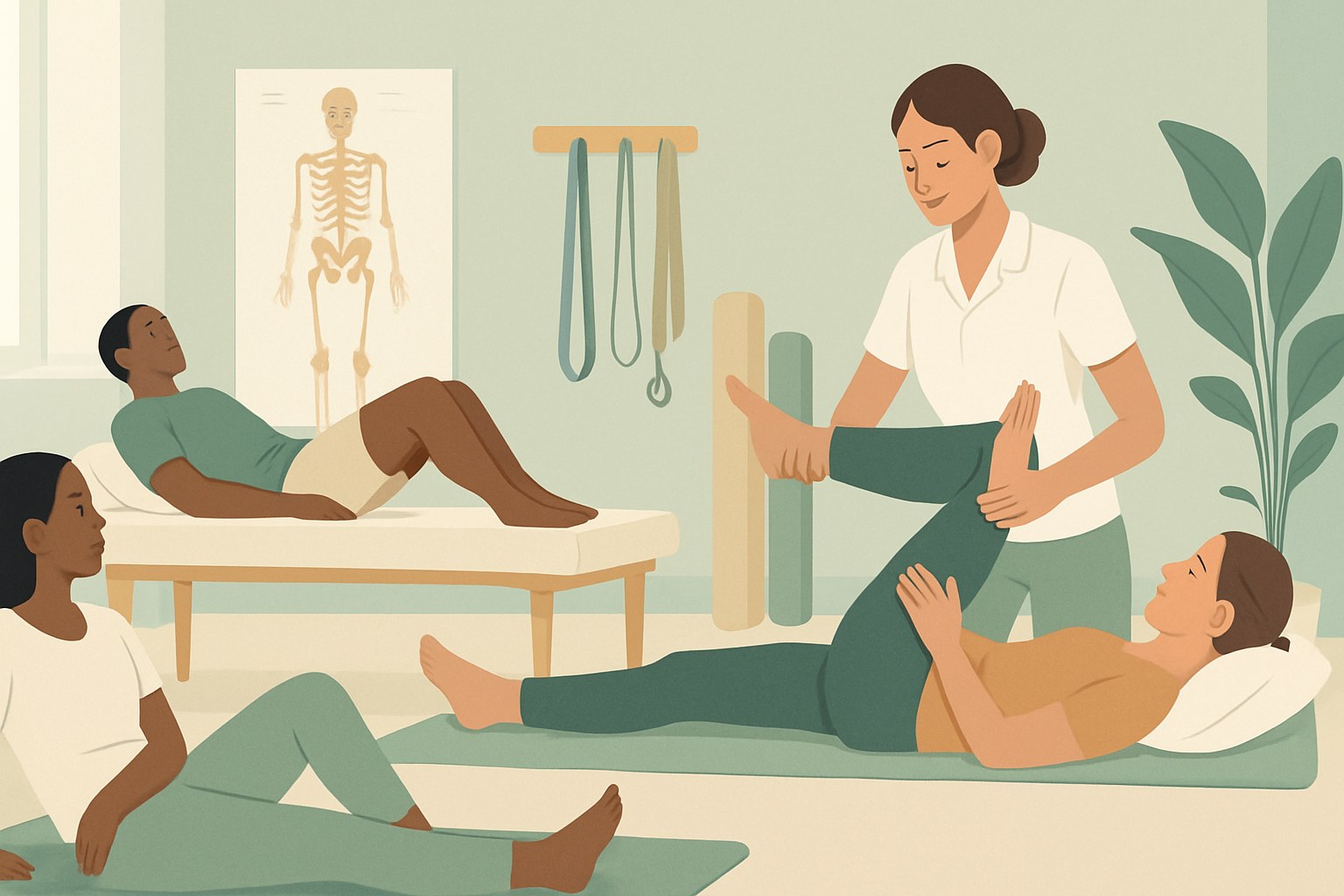
Contrary to popular belief, the vast majority of orthopedic patients do not require surgery. For this reason, Orthopedics and Traumatology specialists generally prescribe anti-inflammatory pain medications and initiate exercise programs. When these measures prove insufficient, they refer patients to a Physical Medicine and Rehabilitation specialist. In today’s article, we will discuss how the Physical Therapy department benefits orthopedic patients.
First and foremost, physical therapy will help reduce the patient’s pain. After evaluating the patient, the Physical Medicine and Rehabilitation specialist will prepare a personalized treatment program to reduce the patient’s pain and improve their function.
At some point in our lives, we may experience musculoskeletal pain. In addition to relieving these pains, physical therapy teaches patients how to protect themselves to prevent experiencing such pain again and to avoid musculoskeletal injuries in their future life.
Many causes of headaches originate from stiffness in the neck muscles. It is possible to strengthen the neck muscles with special exercises taught by physical therapy. This way, you can get rid of these annoying headaches.
As we age, falling becomes a greater risk. Such falls will cause long-term disabilities. Physical therapy teaches patients how to maintain their balance and exercises for this purpose. This way, patients are prevented from injuring themselves through falls.
Do you have difficulty putting on your shoes? Do you have difficulty bending down to pick something up from the floor? With physical therapy, you will have a more elastic body. This way, your life will become easier and your pain will decrease. With strengthening exercises, your posture will improve, and you will walk more upright and with greater self-confidence.
What I am about to say is not a direct benefit of physical therapy. However, in a good physical therapy clinic, physiotherapists love their work, so patients feel happy during the treatment process. Meanwhile, during the physical therapy process, you will make many friends who suffer from pain just like you. Knowing that you are not alone will positively affect the treatment process.
A patient’s treatment is not always done with medications or surgery. There are other ways to relieve musculoskeletal pain. After these pains subside, it is necessary to teach the patient what precautions to take to prevent them from recurring. The closest colleague of an Orthopedics and Traumatology specialist in this regard is always a Physical Medicine and Rehabilitation specialist. In cases where physical therapy programs are insufficient and surgery is required, your specialist will direct you to Orthopedics. Patients who have undergone orthopedic surgery can also be referred to a Physical Therapy specialist to be enrolled in a physical therapy and exercise program afterward. In conclusion, this is teamwork, and when you comply with treatment, you become a member of this team as well. Wishing you a healthy life…
Medical Disclaimer: This content is for informational and educational purposes only and should not be considered medical advice, diagnosis, or treatment recommendations. Always consult with a qualified healthcare provider regarding any medical conditions or treatment options. Individual results may vary, and treatment plans should be personalized based on professional medical evaluation.