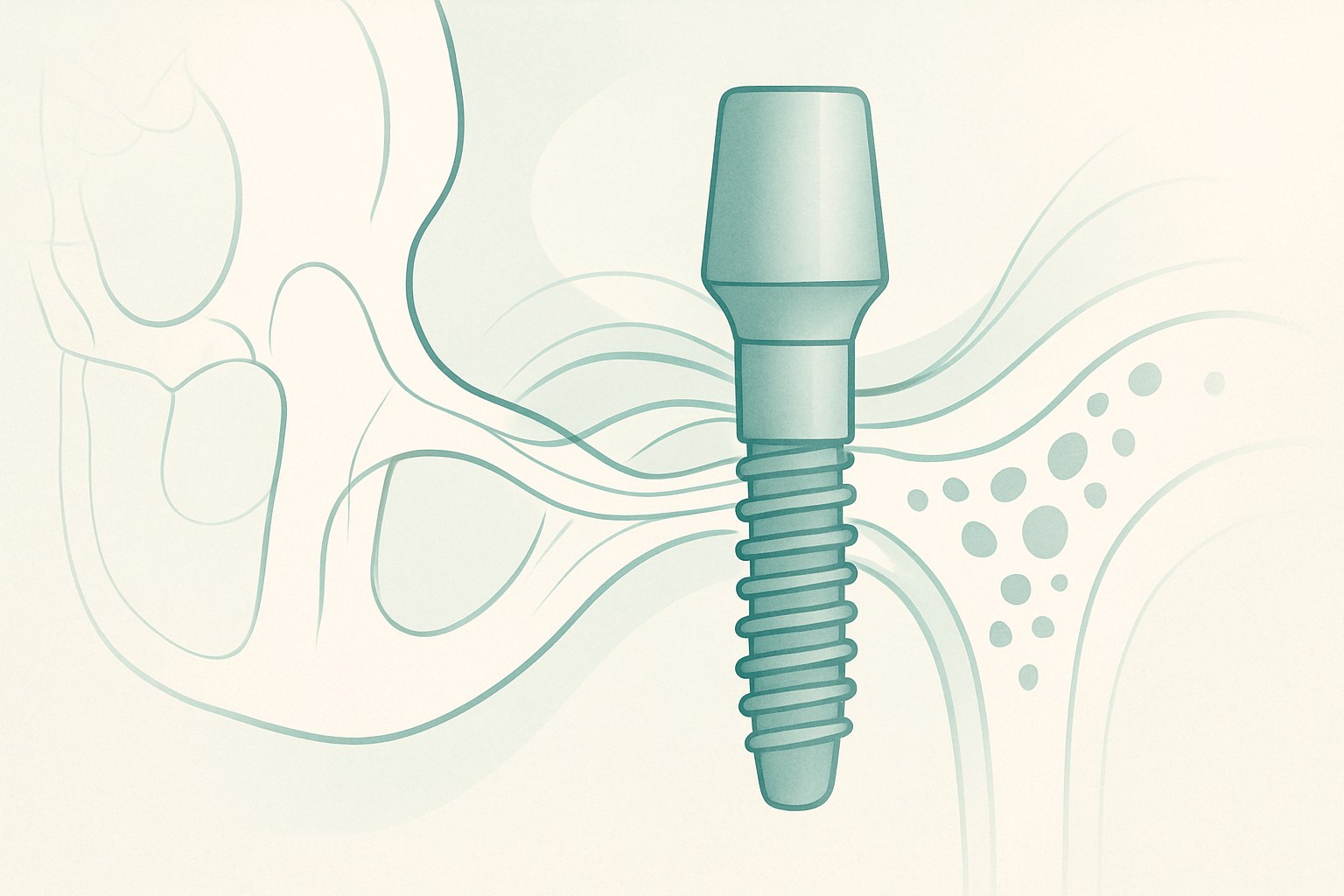
Osseointegration Infection: Is It a Real Risk?
Osseointegration (implanted leg prosthesis) offers our amputee patients a much more comfortable and functional life compared to traditional sockets. However, one of our patients’ biggest concerns is: “Doctor, the metal implant will remain inside, won’t it get infected?” This worry is understandable, as we’re talking about placing a permanent implant in the body.
In this article, we examine the infection risk in osseointegration surgeries in light of scientific evidence. How much risk really exists, what preventive measures are taken, and is it treatable?
1. Is There Really an Infection Risk?
Yes, as with any surgical procedure, there is an infection risk in osseointegration surgeries. However, this risk is quite low with proper technique and care. Since part of the implant protrudes through the skin, this area is a potential entry point for bacteria.
Infection typically occurs in two ways: Early-stage infections (immediately after surgery) and late-stage infections (months or years later). Early infections are generally related to hygiene conditions during surgery, while late infections are mostly caused by inadequate daily care.
2. What Are the Risk Factors?
Certain conditions can increase infection risk. These include diabetes, weakened immune system, smoking, and poor nutrition. Additionally, neglecting skin care around the implant is one of the most important risk factors.
Special attention is required during the first weeks after surgery until wound healing is complete. During this period, it’s crucial to follow the dressing program recommended by your doctor and keep the area around the implant clean. Regular check-ups enable early detection of potential problems.
3. How Do We Prevent Infection?
Prevention is the most effective treatment. If you smoke before surgery, quitting is strongly recommended. After surgery, daily care of the implant-skin junction area is critically important. This area must be cleaned daily, moisturized, and treated with antiseptic solutions recommended by your doctor.
Additionally, it’s important to attend regular check-ups and contact your doctor immediately if you notice any redness, discharge, swelling, or pain. Early intervention prevents serious complications.
4. What Happens If Infection Occurs?
When infection is detected, treatment begins immediately. Mild infections can be treated with antibiotics. In more severe cases, cleaning of infected tissues around the implant may be necessary.
In very rare cases, if the infection cannot be controlled, temporary removal of the implant may be required. However, thanks to modern surgical techniques and advances in antibiotic treatments, most infections are successfully treated and the implant is preserved. In our clinical experience, with proper patient selection and meticulous follow-up, infection rates are quite low.
5. Precautions to Take in Daily Life
You can lead a normal life with your osseointegration implant, but you need to follow certain rules. Clean the implant area daily, but avoid excessive rubbing. Get your doctor’s approval before entering pools or the sea, especially in the first months.
Eat a balanced diet to keep your immune system strong, exercise regularly, and get adequate sleep. Don’t delay if you notice any signs of infection; seek medical attention immediately. Early diagnosis and treatment significantly increase your chances of success.
Conclusion
While osseointegration infection is a real risk, it can be minimized with proper precautions and care. Thanks to modern surgical techniques, meticulous patient follow-up, and daily care discipline, most patients can use their implants for many years without experiencing infection.
If you’re considering osseointegration, discuss your risk factors with your doctor and learn about your post-operative care program in detail. Remember, your contribution is as important as your surgeon’s for a successful outcome. Regular care and check-ups extend the life of your implant and maintain your high quality of life.
This article is for general informational purposes only and does not replace professional medical advice. Please consult your doctor regarding any questions about your treatment process.