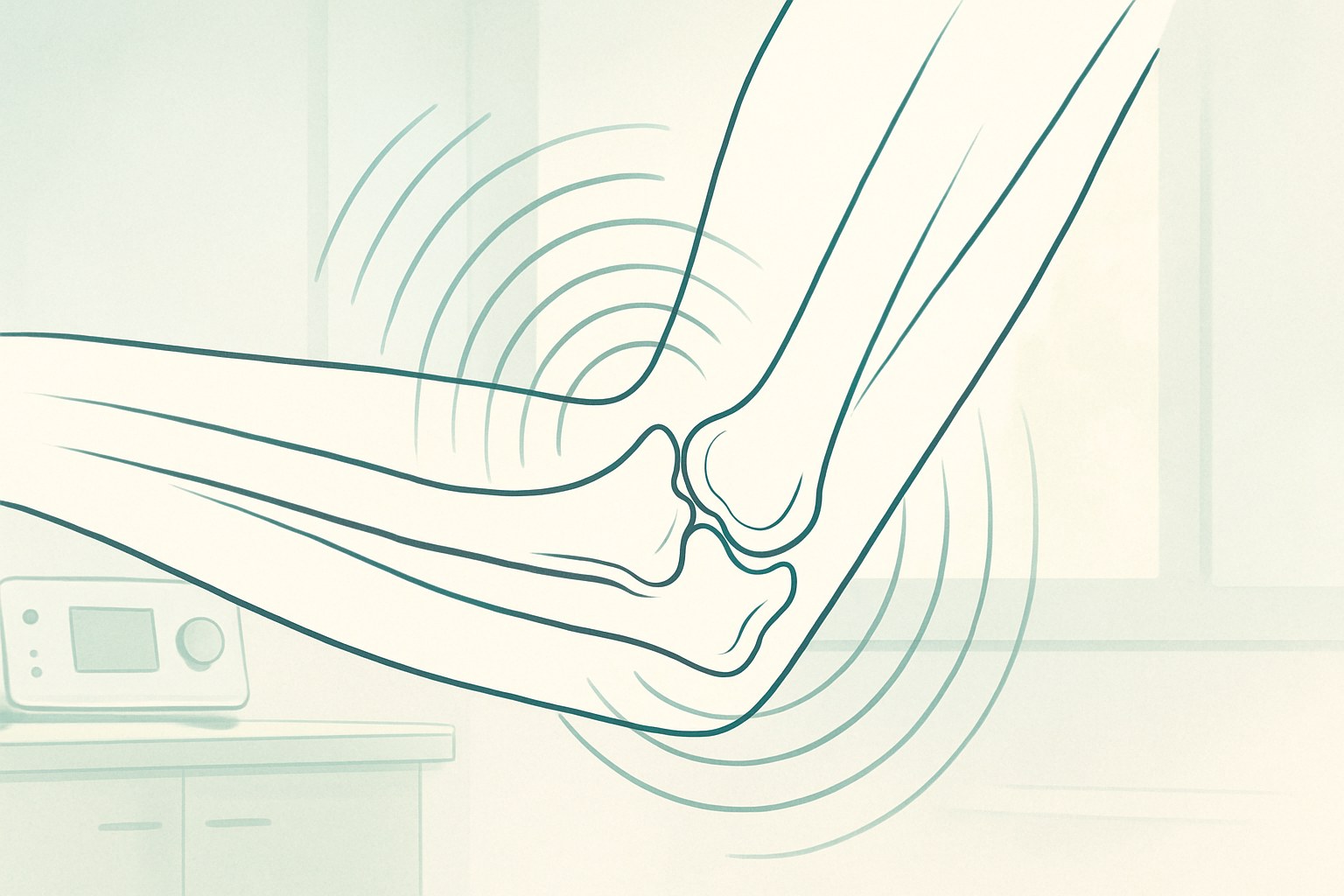
ESWT for Tennis Elbow
Tennis elbow is a condition that causes pain in the outer part of the elbow, usually resulting from repetitive movements. This pain is commonly seen in athletes who play tennis. However, it can also occur in other sports and as a result of daily activities. Many different methods can be used in tennis elbow treatment. One of these is known as ESWT (Extracorporeal Shock Wave Therapy).
ESWT is a treatment method that uses high-energy sound waves. These sound waves promote healing by increasing blood flow in the tissues. Additionally, these sound waves enhance cellular metabolism, allowing tissues to heal more rapidly.
In tennis elbow treatment, the ESWT method can be used in combination with other treatment methods or applied alone. The duration and frequency of treatment may vary depending on the patient’s condition.
ESWT is an effective method for reducing pain. Furthermore, since this treatment method does not require surgical intervention, it allows patients to return to their work and daily lives in a short time.
ESWT yields quite successful results in tennis elbow treatment. However, for the treatment to be effective, it is important for the patient to start treatment early. Additionally, regular exercise and rest after treatment are among the factors that affect the success of the treatment.
In conclusion, the ESWT method is a highly effective approach in tennis elbow treatment. However, it may not be suitable for every patient, and the duration and frequency of treatment may vary depending on the patient’s condition. Therefore, it is important for patients experiencing tennis elbow pain to first consult a doctor to determine the appropriate treatment methods.
Medical Disclaimer: This content is for informational and educational purposes only and does not constitute medical advice. Tennis elbow diagnosis and treatment should be personalized based on individual patient evaluation. Please consult a qualified orthopedic specialist or healthcare provider for proper diagnosis and treatment options. Do not make treatment decisions based solely on this information.