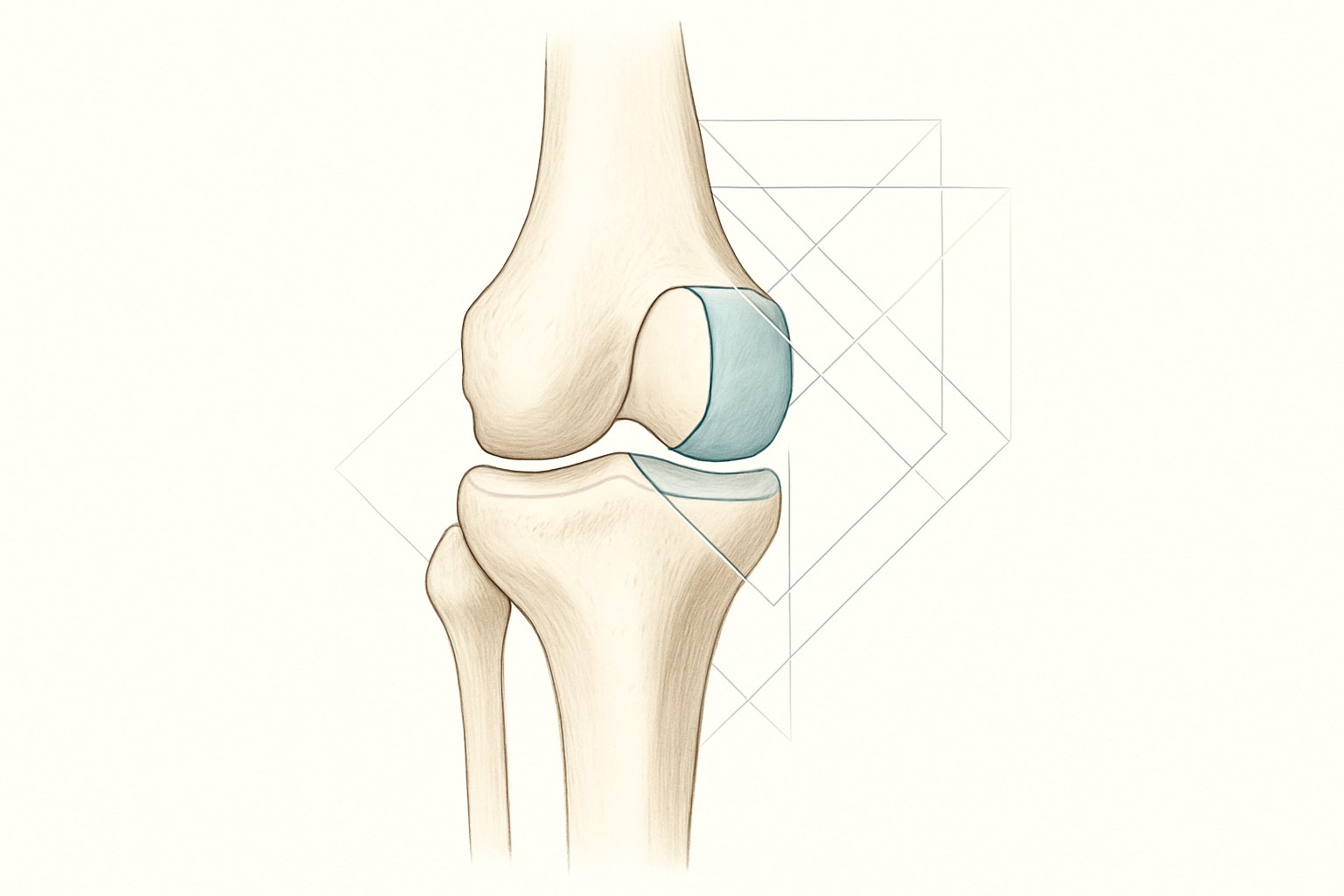
What is Unicompartmental Knee Replacement?
The knee joint is one of the most important and complex joints in the human body. Problems with this joint can arise due to aging, injury, or overuse. One of the knee joint problems is the deterioration of cartilage on the knee joint surface. This condition can be treated with knee replacement surgery. Unicompartmental knee replacement (also known as partial knee replacement or unicondylar knee arthroplasty) is a type of knee prosthesis used to replace the damaged parts of the knee joint surface. However, these prostheses replace only the damaged portions instead of a complete knee replacement.
What are the Advantages of Unicompartmental Knee Replacement?
Less invasive procedure: Unicompartmental knee replacement surgery is a less invasive procedure compared to total knee replacement surgery. Therefore, the postoperative recovery process can be faster and less painful.
Shorter hospital stay: Unicompartmental knee replacement surgery can also help shorten the hospital stay. Therefore, patients generally recover earlier and return to their normal activities more quickly.
Natural knee movements: Unicompartmental knee prostheses are designed to be compatible with natural knee movements. Therefore, patients can perform normal knee movements better and experience fewer restrictions.
Less bone loss: Unicompartmental knee replacement surgery causes less bone loss compared to total knee replacement surgery. Therefore, bones remain stronger after surgery and provide a better foundation for future interventions.
Fewer complications: Unicompartmental knee replacement surgery can result in fewer complications compared to total knee replacement surgery. Therefore, the risk of postoperative infection, blood clots, and other complications is lower.
In conclusion, unicompartmental knee replacement surgery is an effective option for replacing damaged portions of the knee joint surface. This method has advantages such as being less invasive, shorter hospital stay, fewer complications, and less bone loss compared to total knee replacement surgery. Additionally, it is designed to be compatible with natural knee movements, so patients can return to their normal activities more quickly.
Unicompartmental knee replacement is particularly recommended for patients with damage to a single compartment or damage due to osteoarthritis. However, it may not be suitable for every patient. Therefore, it is important to consult with a physician to determine the most appropriate treatment method according to each patient’s condition.
Medical Disclaimer: This content is provided for informational purposes only and does not constitute medical advice. It should not be used for diagnosis or treatment. Always consult with a qualified healthcare professional regarding any medical condition or treatment decisions. Individual results may vary, and treatment options should be evaluated on a case-by-case basis by a licensed orthopedic specialist.