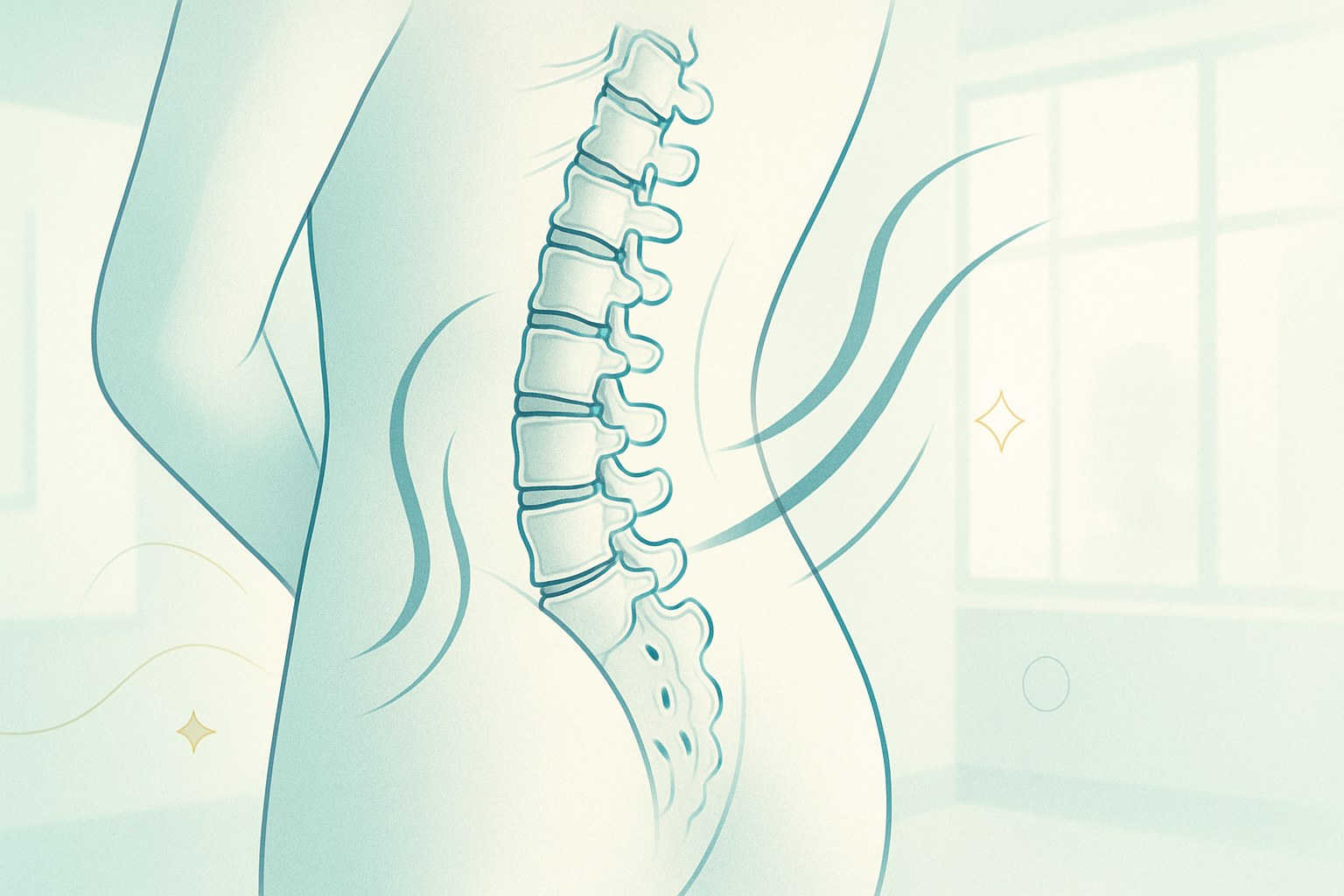
Lower back pain is one of the most common reasons for hospital visits. It also causes loss of workforce. Many people experience lower back pain at some point in their lives. Studies have shown that 7 out of every 10 people in society face lower back pain problems at some point in their lives. Fortunately, measures can be taken to relieve lower back pain. If preventive measures fail, recovery can be achieved through simple home treatments and appropriate exercises. Surgical treatment is rarely preferred for lower back pain.
Lower back pain manifests itself in several ways. It can be muscle pain, sharp stabbing pain, pain radiating down the leg, pain that worsens with bending forward, standing or walking, or pain that decreases when leaning against something.
Lower back pain usually starts suddenly. Most lower back pain improves within 6 weeks. These types of pain generally occur as a result of falling or heavy lifting. The cause of many lower back pains can be determined by physical examination performed by your doctor. If diagnosis cannot be made, imaging methods (such as plain radiography, MRI) are helpful. Common conditions that cause lower back pain include: Strain in muscles and ligaments; lower back pain can start due to weakness in back muscles and ligaments or after lifting loads. If there is herniation in the discs between the vertebrae or if the discs tear and there is contact with nerves, lower back pain can occur. However, disc herniations do not always cause lower back pain and may only be detected on MRI scans taken for other reasons. Spinal curvatures generally cause lower back pain in advanced ages. Compression fractures occurring in the vertebrae due to osteoporosis (bone loss) can also cause lower back pain.
Everyone, including children and young people, can complain of lower back pain. When it comes to risk factors for lower back pain: the risk of developing lower back pain increases with age. Generally, the frequency begins to increase in the 30s. People carry risk for lower back pain in situations such as being overweight, having weak back and abdominal muscles, certain rheumatic diseases, lifting or carrying loads in incorrect positions, having depression or an anxious state of mind, and smoking. Pain caused by gallstones, kidney stones and kidney disorders, urinary tract infections, and intra-abdominal vascular damage can also manifest as lower back pain.
We can prevent lower back pain by improving our body’s physical condition and learning and acting according to our body’s mechanics. Regular walking or swimming increases the endurance of back muscles. When we strengthen our abdominal and back muscles, our muscles will serve as a natural corset. You can learn exercises to strengthen your back and abdominal muscles from your doctor or physiotherapist. Getting rid of excess weight also protects the person against lower back pain.
I have 3 basic pieces of advice I give to my patients to avoid experiencing lower back pain. First, stand upright properly (don’t slouch, if you need to stand for a long time, place a step under one foot and change the foot on the step frequently, a good posture reduces the load on the back muscles). Second, sit properly (the chair you sit in should have lumbar support and armrests, if there is no lumbar support, place a small pillow in the lumbar hollow. Change your sitting position every half hour). Third, lift loads appropriately (avoid heavy lifting if possible, if you must lift heavy loads, keep your back straight and load the weight onto your legs by only bending your knees. If possible, get help from someone else to carry the load). If we pay attention to these three things, the likelihood of developing lower back pain decreases considerably.
What should we do when lower back pain starts? In newly started mild lower back pain, rest for the first two days by stopping your normal physical activity and apply cold to your back during these two days; from the third day onwards, you can apply heat for your pain. Lie on your side and pull your knees toward yourself, place a pillow between your legs. A warm bath and a gentle massage on your back will relax your muscles and reduce your pain. If your pain does not pass within 3 days, definitely consult a specialist doctor. Your doctor will identify the underlying cause and start treatment accordingly.
Medical Disclaimer: This content is for informational and educational purposes only and is not intended as medical advice, diagnosis, or treatment. Always consult your physician or qualified healthcare provider regarding any medical condition or treatment. Do not disregard professional medical advice or delay seeking it because of information you have read on this website.