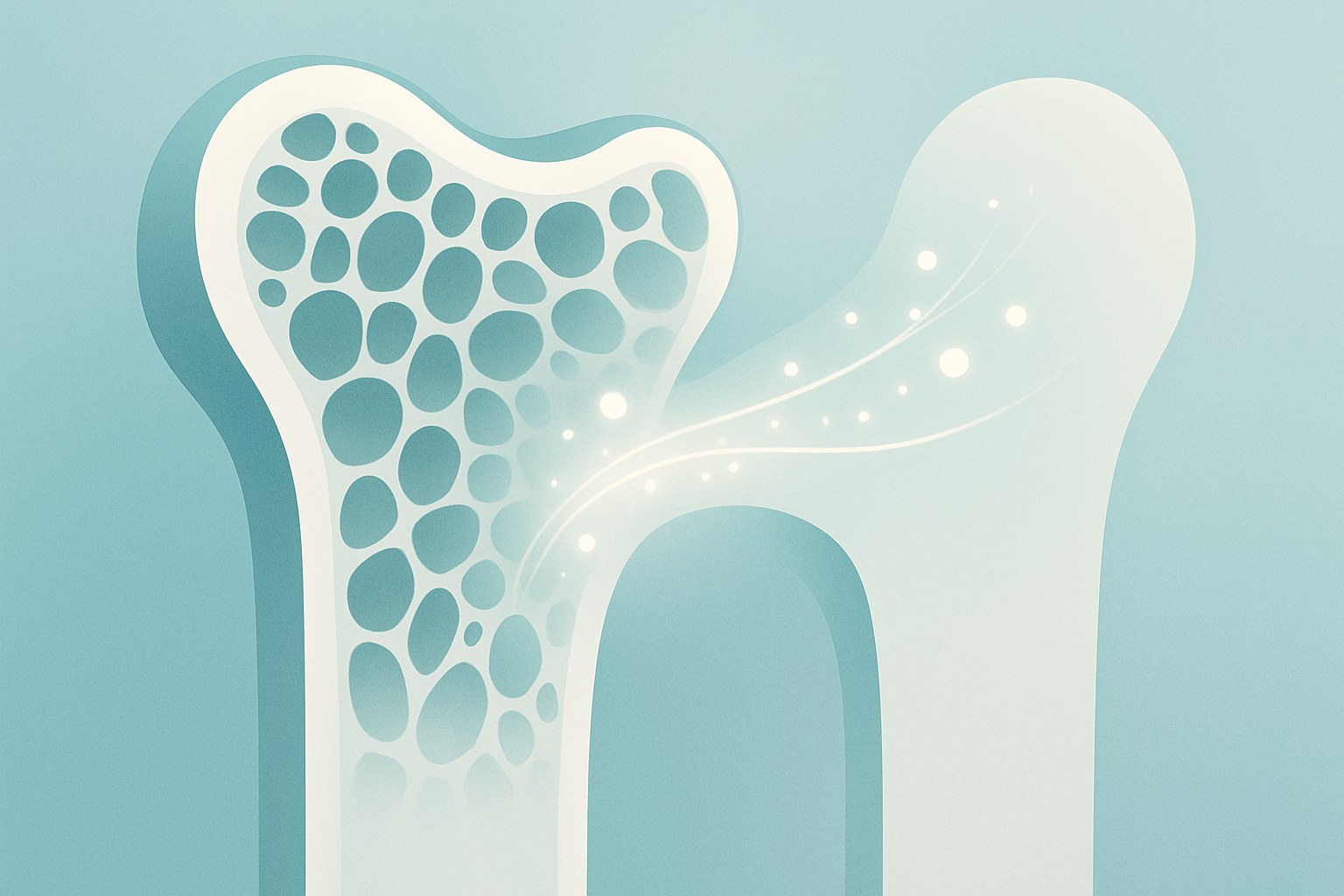
Bone tissue has a hard structure and is living tissue thanks to the cells within this hard structure. Bone tissue is highly resistant to infection. For a bone to become infected, there must be a problem with the vitality of the bone.
There are two ways for microorganisms to colonize a bone. The first is when microorganisms from a focus of infection elsewhere in our body reach the bone through the bloodstream and cause bone infection. We typically encounter this type of infection in children who frequently experience urinary tract or throat infections. Signs of this infection include fever, inability to bear weight on the leg, and redness in the leg. Since X-ray films are normal in the early period, MRI imaging may be required for diagnosis. In some cases, these lesions in the bone may be confused with tumors. After the bone is surgically cleaned according to the culture results obtained from the bone, the infection can be treated with appropriate and long-term antibiotic use.
The second type of infection is bone infection seen more commonly in adults. This type of infection develops either as a result of complete colonization of the microorganism in the bone due to inadequate treatment of bone infection developed in childhood, or as a result of damage to the bone in a way that has lost its vitality following fractures and direct colonization of bacteria in the bone. The symptom of this infection is generally seen as bone pain. The infection can progress and cause skin drainage as well. In patients who are not properly treated, these discharges stop periodically. However, when the patient’s body resistance decreases, swelling around the bone first begins, and then skin drainage starts again. Many patients struggle with this condition for years. In fact, there are rumors among the public that this disease will end in the grave.
Contrary to popular belief, bone infections are treatable diseases today. This treatment process is long. Patients and doctors need to be patient. In treatment, the infected bone tissue is properly cleaned surgically, cultures are performed to understand the type of bacteria in this area. Antibiotic-impregnated bone cement is placed inside and around the bone. According to the culture results, the patient’s antibiotic treatment is arranged by an infectious disease specialist. The patient’s treatment process is monitored with blood tests.
In some cases, the bone in the infected bone section is completely removed due to poor vitality in that section. Later, the extremity (limb) is treated by performing bone lengthening with a method called bone transport.
Bone infection (osteomyelitis) treatment is a process that requires patience for both the patient and the doctor. At the end of this process, the majority of patients recover. The probability of disease recurrence is quite low.
Medical Disclaimer: This content is for informational and educational purposes only and does not constitute medical advice. Please consult with a qualified healthcare professional for diagnosis and treatment of any medical condition.