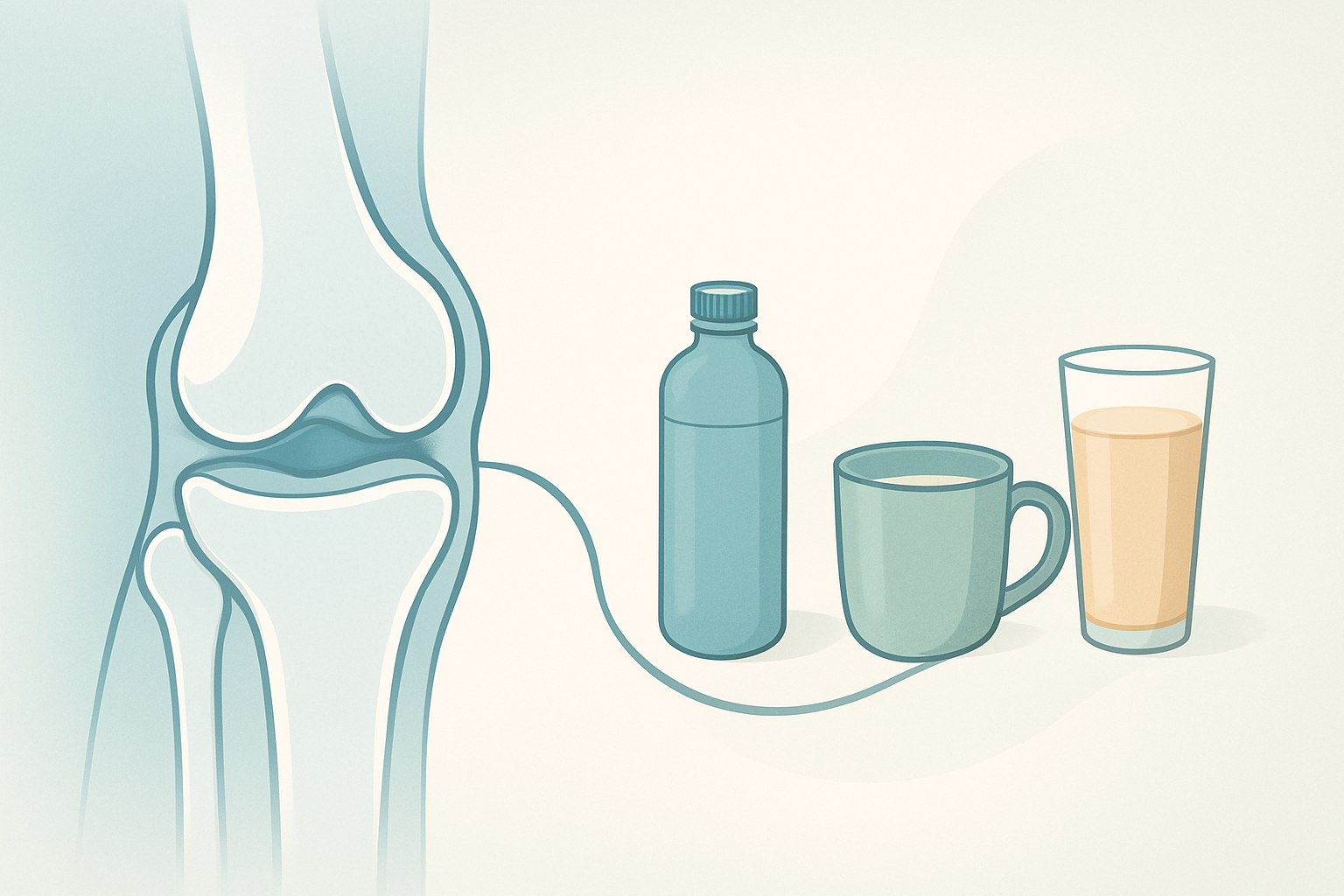
The knee joint is the most weight-bearing joint in our body. Over time, wear and tear occurs in our knee joint. As a result of this wear and tear, some people develop a condition we call knee osteoarthritis (arthrosis). The most important factor in determining whether knee wear and tear progresses to osteoarthritis is a person’s genetic makeup. However, in addition to this, a person’s lifestyle, what they eat and drink can also accelerate osteoarthritis. Today’s article will be about a study conducted at Harvard University in 2013 on the effects of non-alcoholic beverages on knee osteoarthritis.
In 2013, a study was presented at Harvard University about the relationship between non-alcoholic beverages (such as cola and fruit juice) and knee osteoarthritis. This research reported that consuming 5 or more soft drinks per week causes rapid development of knee osteoarthritis. It was found that consumption of such beverages, especially by men with lean body types, causes more wear and tear in the knee joint.
Theoretically, such beverages cause an increase in toxic substances in the body. These toxic substances are thought to cause degradation in the cartilage of the knee joint. A single scientific study cannot be considered complete proof that soft drinks are responsible for knee osteoarthritis. What we also need to consider in this study is that people who consume more than 5 soft drinks per week generally have fast-food style eating habits as well. There are differences in their lifestyles. This unbalanced eating pattern and sedentary lifestyle may be the main culprits for knee osteoarthritis in these patients.
Last year, a study suggesting a link between non-alcoholic beverages and knee arthritis conducted at Harvard University was presented at a prestigious medical conference. The researcher concluded that “There is significant progression in osteoarthritis with consumption of 5 or more non-diet soft drinks per week.” Interestingly, this inference also applied to non-obese men. The researcher did not find such a correlation between soft drinks and osteoarthritis in obese men. They were not sure why this was true. This result may also be related to other factors accompanying the series of soft drinks consumed. For example, men who consume soft drinks at this intensity may have worse dietary habits and a less healthy lifestyle in other ways.
This study does not fully prove that soft drinks cause knee osteoarthritis. As an orthopedics and traumatology doctor, I believe that for joint health, we should not consume excessive amounts of beverages and foods that cause an increase in toxic substances in our body. We should prevent heavy metals such as mercury, lead, and copper from entering our body. No matter how genetically predisposed we are to knee osteoarthritis, we can protect ourselves and slow down the degenerative process by keeping the muscles around the knee strong and paying attention to our nutrition.
Medical Disclaimer: This content is for informational and educational purposes only and should not be considered medical advice. Always consult with a qualified healthcare professional for diagnosis and treatment of any medical condition.