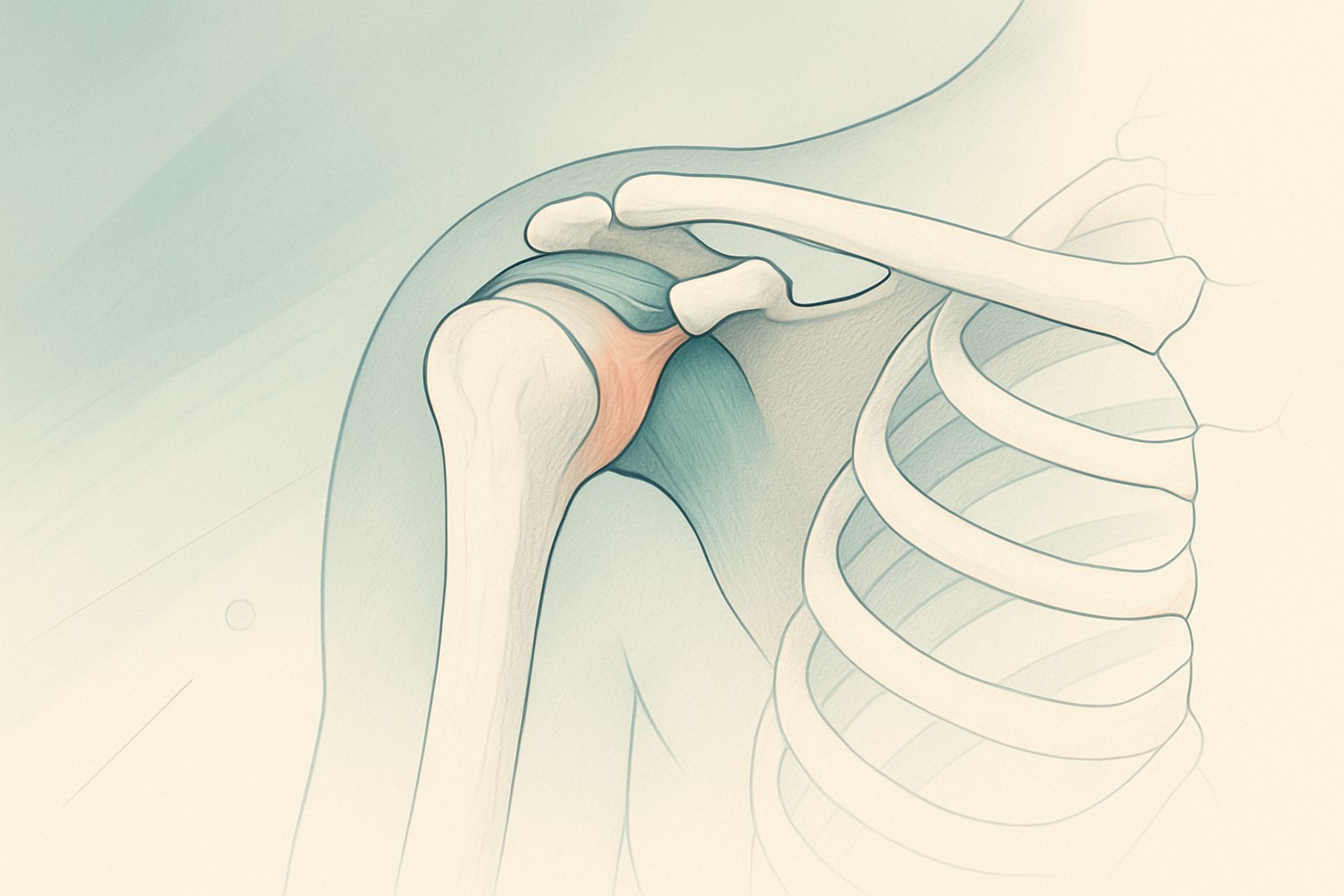
The shoulder joint appears as a single joint from the outside, but it is a complex joint formed by three different joints held together by muscles and tendons. For this reason, the shoulder joint has a wide range of motion. Excessive range of motion leads to joint laxity and impingement of bone and soft tissues, which in turn causes shoulder pain.
While some pains may be temporary, there can also be persistent pain. The most common causes of shoulder pain include bursitis, tendinitis, tendon tears, muscle-tendon impingement, joint laxity, shoulder arthritis (osteoarthritis), referred pain from neck and surrounding muscles, and fractures. More rarely, frozen shoulder, tumors, and infections can also cause shoulder pain. In this article, we will discuss the most common causes of shoulder pain.
Structures called bursae are small fluid-filled cushions located between tendons, muscles, and bones. These structures reduce friction between muscles and bones. When we overuse the muscles around the shoulder, the amount of fluid in these structures increases, causing pain. Additionally, when we strain the shoulder more, wear and tear occurs in the tendons, leading to a condition called tendinitis. In advanced stages, tendon tears can develop. These tears occur in young patients following excessive strain, and in older ages, they develop due to tendon degeneration. In all three conditions, first, rest of the shoulder and anti-inflammatory pain relievers can be used to reduce pain. Performing exercises prescribed by your doctor is important to maintain shoulder range of motion.
In the shoulder joint, muscle structures pass between the scapula (shoulder blade) and the protrusions of the humerus (arm bone). As a result of imbalanced functioning of the shoulder muscles or certain types of work, muscles can become impinged between these two bone structures. This impingement is more commonly seen in overhead activities (such as hanging curtains). This can result in pain initially and subsequently lead to muscle tears. Many patients with this condition benefit from physical therapy. In cases of severe tears, surgical treatment becomes necessary.
Osteoarthritis (degenerative joint disease) in the shoulder is less common compared to the knee and hip joints. Joint laxity in the shoulder, recurrent shoulder dislocations, and rheumatic diseases cause osteoarthritis. First, strengthening the muscles around the shoulder reduces patients’ pain and delays osteoarthritis. If there is laxity in the shoulder or recurrent dislocations occur, it can be treated surgically. In advanced osteoarthritis, shoulder replacement (arthroplasty) can be performed.
There are many muscles around the shoulder, and these muscles extend to the neck, back, and arm. Pain in these muscles or trigger points that initiate pain present as shoulder pain. Physical therapy can be performed for these muscle pains; dry needling or massage can benefit these patients.
Shoulder fractures generally occur in elderly patients following simple falls. These types of fractures are usually treated with bandages. Multi-fragmented and displaced fractures are treated surgically. In shoulder fractures, early initiation of movement is beneficial to prevent reduction in joint range of motion.
Frozen shoulder occurs as a result of thickening in the shoulder capsule. The exact cause is not fully known, but it is commonly seen in diabetic patients, liver diseases, after heart attacks, and in epilepsy patients. In frozen shoulder, the patient undergoes physical therapy to prevent excessive loss of movement; in some cases, forceful exercises under anesthesia can be performed to restore joint mobility. The positive aspect of this condition is that it can resolve spontaneously within 6 months to 1 year.
Shoulder pain can happen to many of us. It can disrupt our sleep. The cause may be the activities we do during the day or our sleeping position. However, for persistent and unrelenting pain, you must definitely consult a specialist physician.
Medical Disclaimer: This content is for informational and educational purposes only and does not constitute medical advice. Always consult a qualified healthcare professional for diagnosis and treatment of any medical condition. The information provided should not replace professional medical consultation.