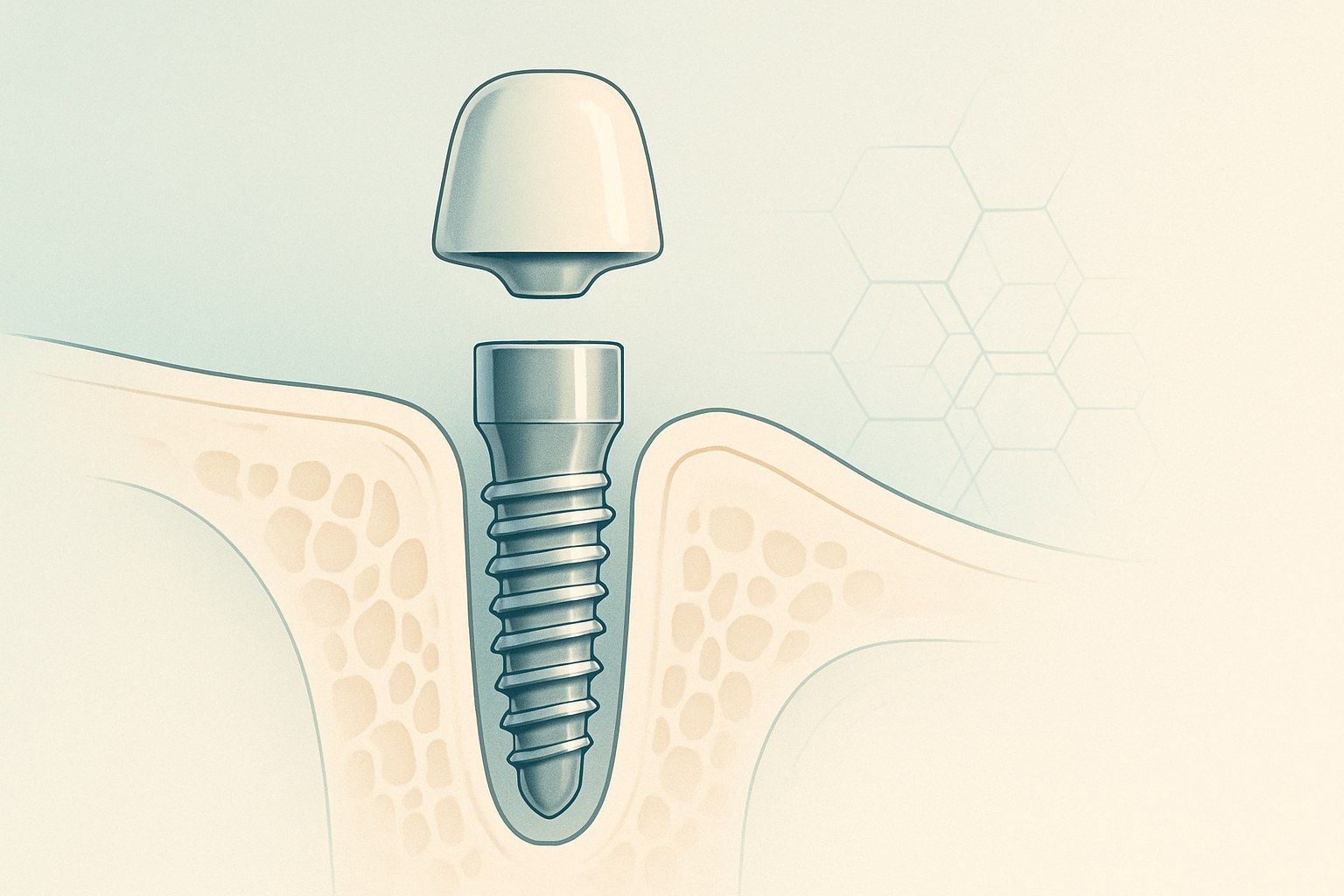
Osseointegration involves placing a titanium implant into the bone. This implant gradually adheres to the bone and is regarded as part of the body. A portion of the implant extends through the skin, to which a prosthesis can be screwed. This eliminates the need for a socket for the residual limb.
ADVANTAGES of This Prosthesis:
- The patient will have better and longer-lasting freedom of movement, as they will expend less energy while standing and walking.
- Since it provides a better sitting position, the person’s back problems will decrease.
- Socket problems will be eliminated.
- The risk of falling will decrease as the person has better sensation of the surface they are stepping on.
- The prosthesis can be easily attached and removed.
Considerations to Keep in Mind
Osseointegration is currently not suitable for all amputee individuals. Certain types of diseases negatively affect the general suitability for this type of surgery. One important consideration regarding osseointegration is that the skin (stoma) remains permanently open. This stoma must be cleaned twice daily with warm water and oxygenated water. This procedure takes only a few minutes and is necessary to prevent irritation and infection. In some cases, the skin may become irritated at the stoma site, requiring more careful care or antibiotic treatment.
What You Should Know:
The implant may be more easily visible through clothing.
Pain (muscle pain, integration pain) frequently occurs during the first year after implant placement. However, these pains subside as the muscles in the residual limb strengthen and become more stable. The patient must be determined to reach this stage.
Although rare, infection and inflammation can occur in the bone. In this case, the implant may need to be removed.
In the event of a hard fall, there is a small risk of the bone fracturing near the implant.
What Can Patients Using This Prosthesis Do, FOR EXAMPLE:
- Showering or bathing
- Driving a car
- Riding a bicycle on the road
- Swimming
- Walking uphill
- Climbing stairs
After approximately 2 years of rehabilitation and carefully strengthening the muscles and bone in the residual limb, even heavier activities can be performed.
Sports involving impact and contact such as football, martial arts, and skiing are not recommended as they increase the risk of bone fractures.
Who is Osseointegration For?
Osseointegration applications are still in the development stage, and in the future, lower leg, arm, hand, and finger surgeries may also be performed. A rigorous selection procedure is applied due to the risks that may occur in patients with complex health problems. Osseointegration can be performed on amputee individuals who have reached physical maturity and meet the selection criteria. This also includes good physical and mental health, absence of circulatory system problems or diabetes.
Smoking is absolutely unacceptable for osseointegration surgery. Patients must have quit smoking before surgery, and smoking is prohibited after treatment.
Medical Disclaimer: This content is for informational and educational purposes only and does not constitute medical advice. It should not replace consultation with a qualified healthcare professional. Always seek the advice of your physician or other qualified health provider with any questions you may have regarding a medical condition or treatment.